

 Facebook
 X
X
 Pinterest
 Copy Link
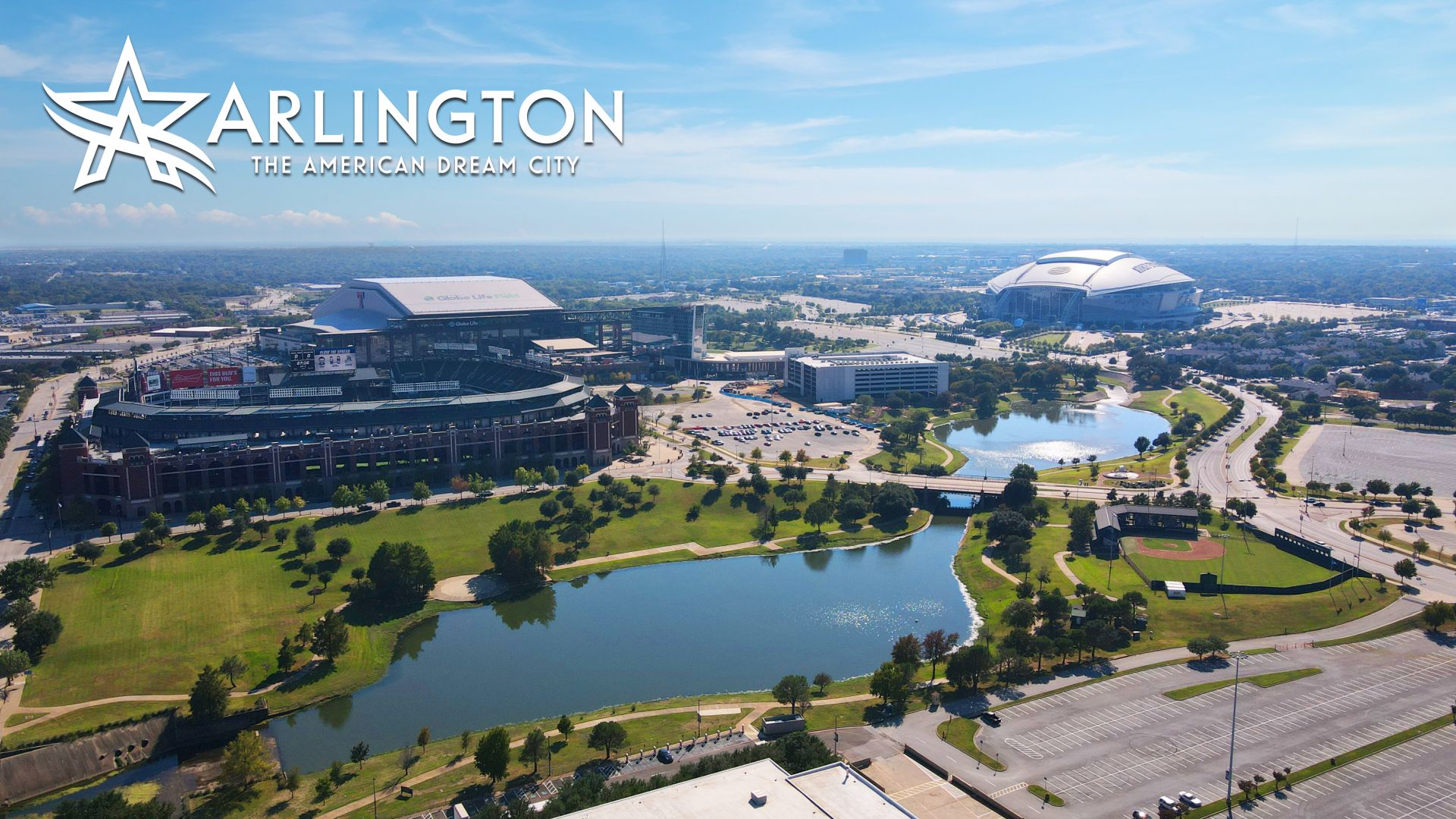
If you are thinking about moving to Arlington, Texas, I think it helps to know this up front: Arlington is not just a place people pass through on the way to a game. It is a large, established city with real neighborhoods, real variety, and a lot more day-to-day livability than people sometimes expect. The city’s published facts list Arlington at 392,304 residents, and in February 2026 the city said it was on the cusp of surpassing 400,000.
Arlington Is a Real City, Not a One-Note Suburb
That matters because when buyers picture Arlington, they often picture the Entertainment District first. And sure, that is part of the story. Arlington does have major attractions and a lot of visibility because of them. But living in Arlington is not the same thing as visiting Arlington for an event.
What you are really buying into is a city with a lot of moving parts. Different sections of Arlington can feel very different from each other. Some areas feel more established and residential. Some feel more connected to downtown activity. Some lean more toward newer-community living. That variety is one of Arlington’s biggest strengths, but it also means you want to choose carefully based on how you actually live.
Neighborhood Fit Matters More Than People Realize
This is one of the biggest things I would tell any buyer moving to Arlington: do not treat Arlington like it is all one thing.
It is a big city. Your experience can change a lot depending on whether you are looking near Viridian, closer to Downtown Arlington, around Lake Arlington, or in parts of Southwest Arlington. That is why it is smart to think in terms of lifestyle fit, not just price or square footage. The city’s size alone makes that clear. Arlington covers about 99.5 square miles, so where you land matters.
Schools Are Part of the Conversation, but Specific Campuses Matter
If schools matter in your move, Arlington ISD is going to come up. Arlington ISD says it serves nearly 55,000 students and is the 13th-largest district in Texas. The district also highlights programs in career and technical education, early college and P-TECH, fine arts, dual language, STEM, and world languages.
My advice is the same every time: start with the district, but do not stop there. If schools are a major factor for you, look closely at the specific schools tied to the homes and neighborhoods you are considering. In a district this large, the campus path usually matters more than the district name by itself.
Parks and Outdoor Space Are a Bigger Strength Than Many Buyers Expect
One thing Arlington does really well is parks and recreation. The city says it has more than 5,600 acres of park land and 123 miles of trails. River Legacy Park alone is listed at 1,031 acres and is described by the city as the crown jewel of the parks system. Arlington’s parks department also highlights Lake Arlington, which adds another outdoor and recreational layer to the city.
That may not feel like the first thing to focus on when you are buying a house, but it matters more than people think. Day-to-day life is not just about the house itself. It is about whether you have places to walk, bike, get outside, and enjoy the city once you actually live there.
Transportation and Commute Reality Should Be Part of Your Decision
This is another big one. Arlington’s location is a huge draw because it sits between Dallas and Fort Worth, but that does not mean every commute is easy. Traffic, event congestion, and city driving are all part of the equation.
One thing Arlington has that stands out is Arlington On-Demand, which the city describes as rideshare service across all of Arlington and to TRE CentrePort Station. That does not replace owning a car for most people, but it is still a unique transportation feature worth knowing about.
The practical point is this: when you are choosing where to buy in Arlington, think hard about where you actually need to go most often. A house can look great on paper and still be a frustrating fit if your daily driving routine wears you out.
Downtown Arlington Gives the City Some Identity
Not every city this size has a downtown that still feels like something. Arlington does. Downtown Arlington’s official site highlights restaurants, arts, community events, the farmers market, and regular programming like First Thursdays. It also notes practical things like parking options, which matter if you actually plan to spend time there.
That may sound like a small thing, but I do not think it is. A city feels different when it has places with identity, not just roads and rooftops. Downtown gives Arlington some of that.
What Buyers Should Really Know Before They Buy
If I were boiling it down, I would say this: Arlington makes a lot of sense for buyers who want options. It offers city amenities, parks, a central DFW location, neighborhood variety, and more to do than many nearby cities. It also comes with the realities of a larger city, which means you need to think carefully about neighborhood fit, commute patterns, and the specific school path tied to the address.
That is not a reason to avoid Arlington. It is just part of buying wisely.
Final Thoughts
Moving to Arlington, Texas can make a lot of sense for the right buyer. It has more going for it than some people expect: established neighborhoods, strong parks, a real downtown, a substantial school district, transportation options that are unusual for the area, and enough size to give buyers real choice.
That is usually how I would approach it. Not by asking whether Arlington is perfect, because no city is, but by asking whether Arlington fits the way you actually want to live.
Have questions? Reach out to Josh Johnson at josh@sarahpadgett.com.


